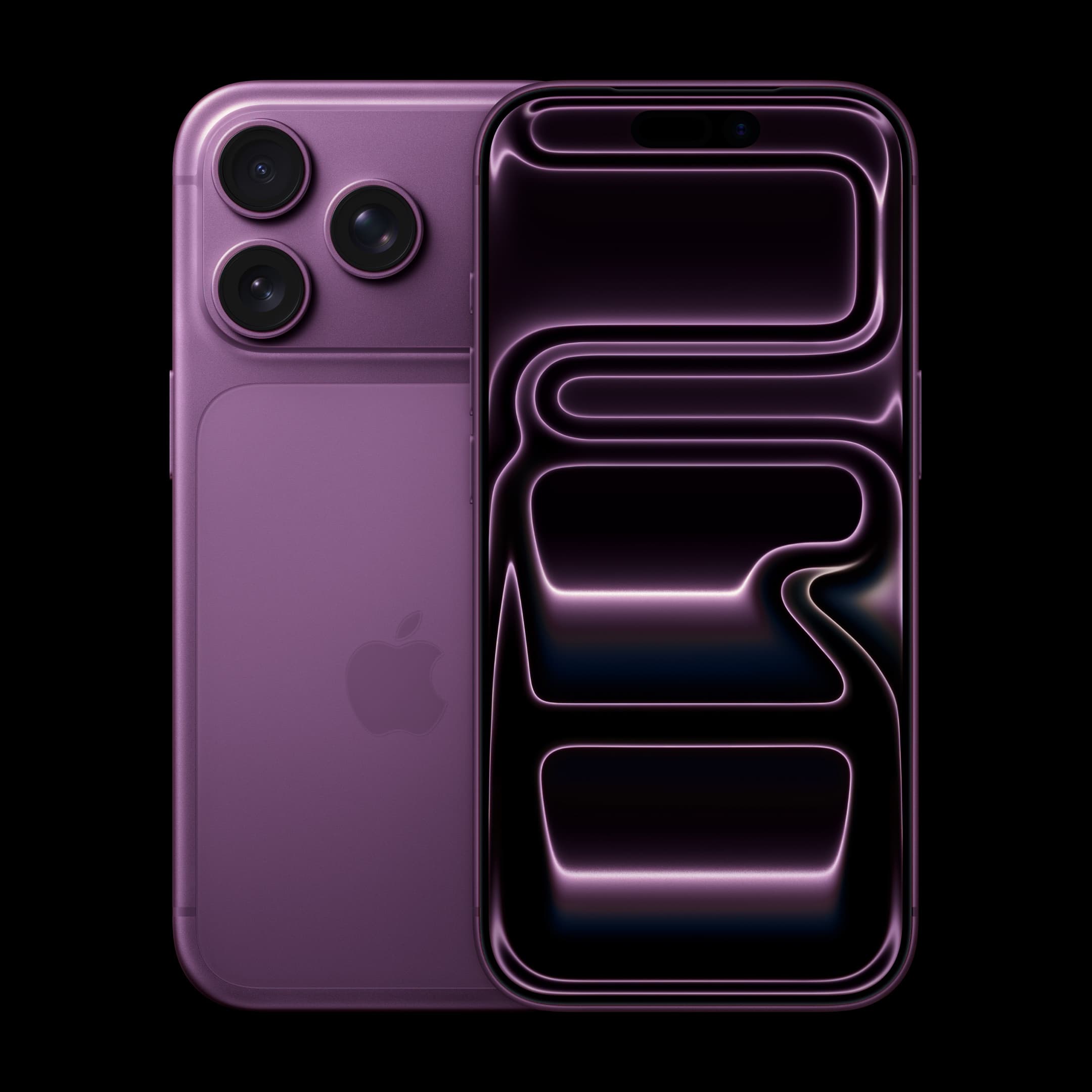
Apple
iPhone 18 Pro
A detailed look at the iPhone 18 Pro's display, performance, cameras, battery, design and the trade-offs that matter when deciding whether it is right for you.
Switch Perspective
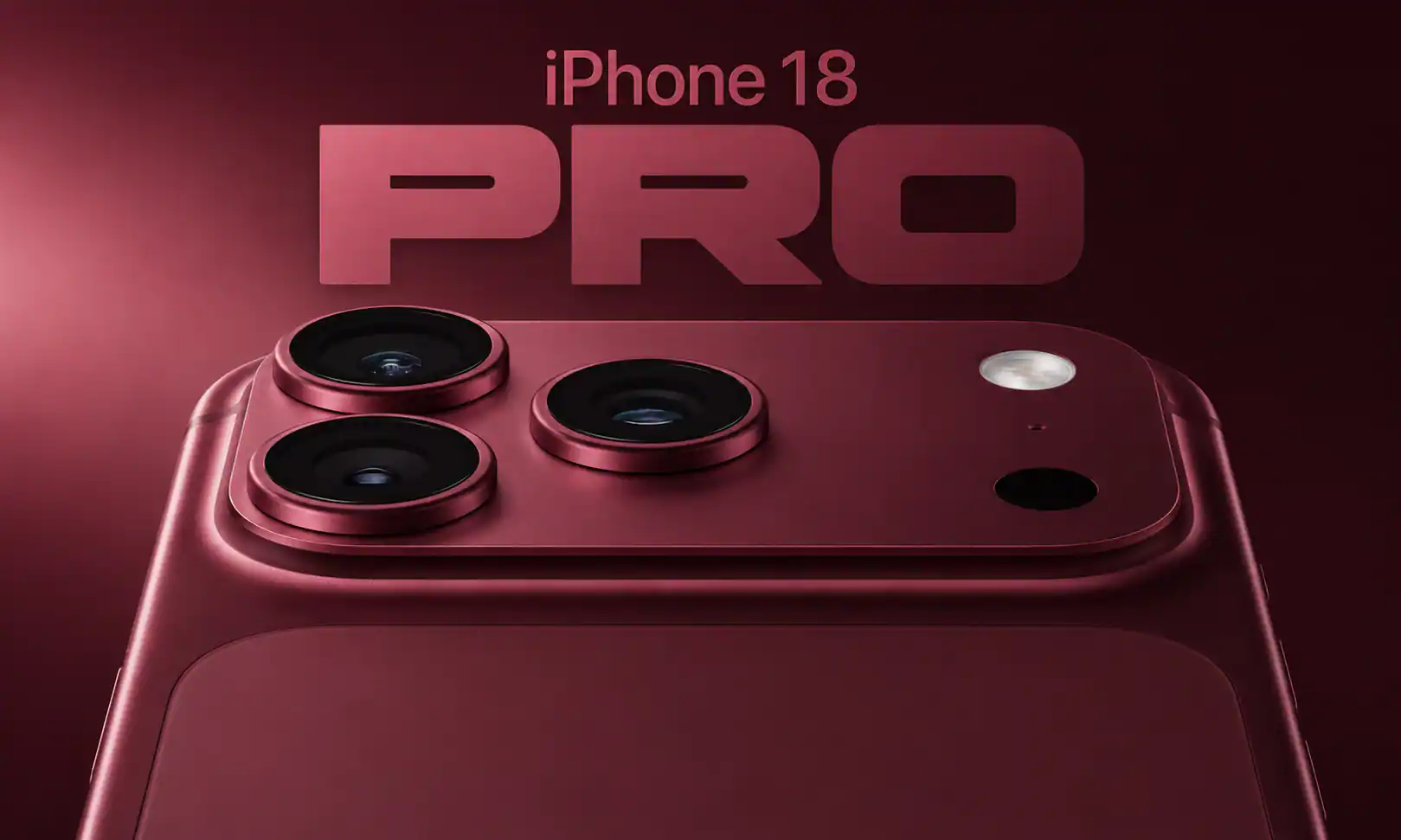
TechBroom Verdict
Our assessment at a glance
A rigorous, hardware-tested evaluation giving you absolute clarity before your purchase decision.
Overall Assessment
0.0/10
Editorial Summary
"A high-end flagship with excellent performance, a strong camera system, a premium display and long-term software support. Its high price means the experience is most compelling for buyers who will actually use its strengths."
100% Independent & UnbiasedRead methodology
How it performs by department
Each score reflects our deep-dive lab assessment of that specific hardware module.
Display
Exceptional9.2
A high-quality OLED display with a smooth 120Hz refresh rate and the characteristics expected from a premium flagship.
Performance
Exceptional9.5
Excellent performance for demanding apps, gaming, multitasking and long-term use.
Cameras
Excellent9.1
A versatile camera system with strong image quality, useful focal lengths and particularly capable video performance.
Battery
Very Good8.2
Good overall battery capability, although charging and endurance are not necessarily the strongest reasons to choose this phone.
Design & Build
Excellent8.8
Premium materials, solid construction and flagship-level durability, with weight and physical size worth considering.
Software
Excellent9.0
A polished software experience with long-term support and a tightly integrated hardware and software ecosystem.
Value
Very Good7.8
The overall experience is strong, but the premium price makes value highly dependent on which features matter to the individual buyer.
What stands out
Key highlights & strengths- Excellent overall performance
- Strong and versatile camera system
- High-quality 120Hz OLED display
- Premium build and materials
- Long-term software support
Things to consider
Potential trade-offs- Premium pricing
- Some advantages may matter mainly to specific users
- Battery and charging are not the strongest reasons to choose it
- Competitors may offer better value depending on priorities
Performance Analysis
Performance: how much power do you actually get?
A look beyond the processor name, including benchmark results, sustained gaming performance, thermal behavior, app loading and battery impact.
CPU & GPU Architecture
The hardware behind the phone's performance and what it is designed to handle.
CPU
Apple A20 Pro
GPU
Apple GPU
Process
3nm-class process
The processor combines high-performance CPU cores with an integrated GPU designed to handle demanding applications, gaming and sustained workloads.
Benchmark Performance
Synthetic benchmarks help measure peak performance, but they are only one part of the overall picture.
Geekbench
CPU performance
Single Core
Not tested
Multi Core
Not tested
AnTuTu
Overall system performance
Total
Not tested
CPU
Not tested
GPU
Not tested
Memory
Not tested
UX
Not tested
Sustained Gaming Performance
Short benchmark bursts can show peak power. Extended gaming reveals how well that performance can actually be maintained.
Gaming measurements coming soon
Sustained FPS, settings, temperature and performance observations will be added when tested.
Sustained performance
Sustained performance should be judged over an extended gaming session rather than from short benchmark runs. Longer workloads can reveal changes in frame rate, temperature and power consumption.
Thermal Behavior
Temperature matters because sustained heat can affect comfort, battery consumption and long-term performance.
Peak Temperature
Not tested
Sustained Temperature
Not tested
Thermal behavior depends heavily on workload, ambient temperature and how long the device is under sustained load.
App Loading & Multitasking
How the phone's performance translates into everyday application use.
App loading performance is influenced by processor speed, storage performance, memory management and software optimization. Real-world testing is more useful here than benchmark scores alone.
Performance & Battery Impact
Peak performance is useful, but demanding workloads also consume more power.
Gaming Battery Impact
Not tested
Heavy Workload Impact
Not tested
Higher performance can come with increased power consumption during demanding workloads. Gaming, camera processing and other sustained tasks should therefore be considered alongside peak performance figures.
TechBroom Analysis
The iPhone 18 Pro's performance should be evaluated across both peak and sustained workloads. Benchmark results show what the hardware can achieve, while gaming stability, thermals, app loading and battery impact provide a better picture of how that performance translates into everyday use.
Where it performs well
- High peak processing performance
- Strong GPU capability for demanding applications and games
- Fast app loading and responsive multitasking
- Performance designed for long-term software workloads
Things to keep in mind
- Peak benchmark scores do not represent sustained performance
- Extended gaming can increase temperature and battery consumption
- Real-world performance varies by workload and software optimization
Product Gallery
Design and Hardware: A Closer Look
A visual look at the iPhone 18 Pro's design, materials, camera system and physical details.

Back View

Camera Module

Display
The Details
Specifications: What the Numbers Tell You
A breakdown of the iPhone 18 Pro's key hardware and specifications, with context to help you understand what they mean in everyday use.
6.3 inches
Display
Apple A20 Pro
Performance
48MP
Camera
4,500mAh
Battery
Specifications
Display
Size6.3 inches
TypeSuper Retina XDR OLED
Refresh Rate120Hz
Resolution2622 × 1206
Specifications
Performance
ChipsetApple A20 Pro
RAM12GB
Storage256GB / 512GB / 1TB
Specifications
Camera
Main Camera48MP
Ultra-Wide48MP
Telephoto48MP
Front Camera24MP
Specifications
Battery
Capacity4,500mAh
Wired ChargingFast charging
Wireless ChargingMagSafe
Specifications
Design
BuildGlass front and back
FrameTitanium
Water ResistanceIP68
WeightAround 200g
Display Technology
Display: what the specifications mean in everyday use
A closer look at the panel, resolution and refresh rate to understand what they mean for viewing, gaming and everyday use.
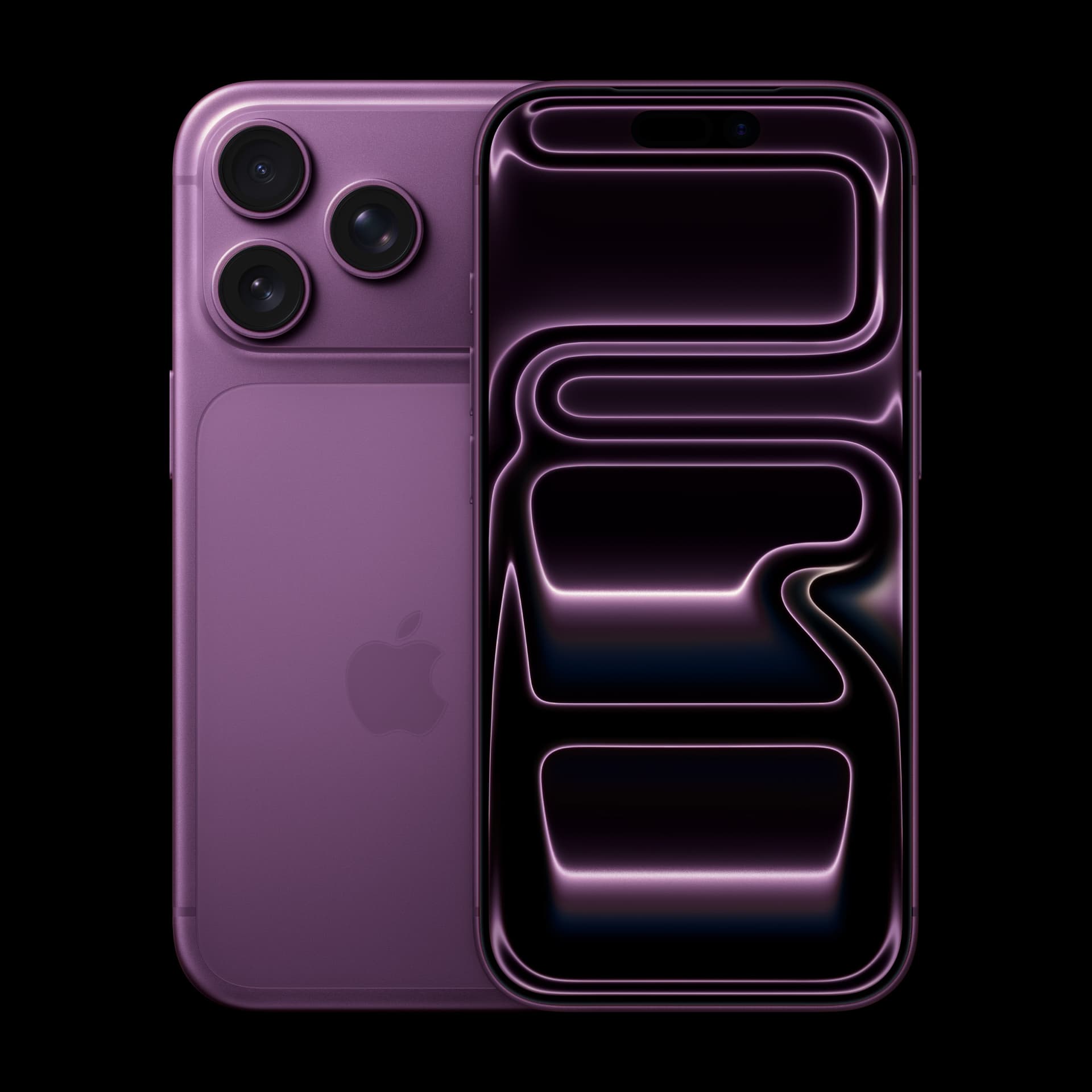
6.3 inches
Super Retina XDR OLED
Size
6.3 inches
Technology
Super Retina XDR OLED
Refresh Rate
120Hz
Resolution
2622 × 1206
Performance
Performance: how much power do you actually get?
The key hardware behind performance, along with what it means for everyday apps, gaming, multitasking and demanding workloads.

Architecture
Apple A20 Pro
Processor
Apple A20 Pro
The core engine handling heavy graphics rendering, machine learning models, and instant app launches with maximum energy efficiency.
RAM
12GB
Unified High-Bandwidth Memory
Storage
256GB / 512GB / 1TB
Ultra-Fast Flash Storage
Sustained Performance
Handles intensive pro workflows and high-frame-rate gaming with high thermal efficiency.
Performance metrics based on system specifications. Actual efficiency and speeds may vary depending on workload, ambient temperature, and storage configuration.
Pro Camera System
Camera: where the hardware matters — and where it doesn't
A breakdown of the camera system, focal lengths and hardware so you can understand what each camera adds to the experience.

Primary Sensor
48MP
Main Camera
48MP
Ultra-Wide
48MP
Telephoto
48MP
Front Camera
24MP
Computational Light
Analyzes multiple exposures in real time to capture detail, maximize dynamic range, and lock in color consistency.
Night Mode Architecture
Massive sensors and intelligent stabilization pull in dramatically more light for crisp, noise-free night shots.
ProRes Video
End-to-end pro workflow with cinematic stabilization, HDR recording, and high-fidelity audio capture.
Real-World Testing
Camera Samples: how the lenses perform in real-world scenarios
Photo by Austin Mann

"Exceptional dynamic range and color reproduction. The sensor-shift stabilization helps keep handheld shots sharp in challenging light."
main
Main Camera
24mmf/1.481/100sISO 80
9.6
Score
"Portrait separation is strong, with natural-looking background blur and convincing subject edges."
portrait
Portrait
48mmf/2.2
9.4
Score
"The 5x telephoto lens provides strong optical reach with good detail retention and controlled noise."
telephoto
Telephoto 5x
120mmf/2.8
9.2
Score
"The ultrawide camera provides a wide field of view while maintaining good correction of edge distortion."
ultrawide
Ultrawide
13mmf/2.2
8.9
Score
"Night processing preserves the atmosphere of darker scenes while lifting enough shadow detail to retain useful information."
night
Night Mode
24mmf/1.482.0s
9.5
ScoreCamera Performance Breakdown
We've analyzed every lens. Here is how they stack up.
9.6
main 9.4
portrait 9.2
telephoto 8.9
ultrawide 9.5
nightOverall System Score
9.3
The Final Verdict For Camera
The camera system combines strong image quality, versatile focal lengths and capable video recording. Its advantages are most relevant to people who regularly use multiple cameras or place a high value on reliable point-and-shoot and video performance.
Strengths
- Strong video stabilization
- Consistent results across the camera system
- Natural-looking portrait rendering
Trade-offs
- Ultrawide images can lose edge detail in very low light
- HDR processing can sometimes reduce perceived contrast
Energy & Endurance
Battery: capacity is only part of the story
The available battery and charging hardware, with context for what they can tell us about everyday endurance and charging convenience.
Total Battery Capacity
4,500mAh
Wired charging
Fast charging
Wireless charging
MagSafe
Everyday endurance
Depends on usage
Battery health
Usage and charging dependent
Optimization & Intelligence
Screen brightness, adaptive refresh rate, mobile network strength, gaming load, camera processing, background apps, and AI software optimization all dynamically balance real-world battery efficiency. Capacity alone is only the starting point.
Real-world usage
The everyday experience.
Specifications outline capability. Long-term owner insights clarify daily usability and real-world performance.
Consolidated Sentiment
A practical summary of common owner experiences, focusing on the things that matter in everyday use.
Reported Advantages
Premium build and overall design
Strong everyday performance
High-quality display experience
Reported Considerations
Some features may depend on your usage and preferences
Charging experience can vary by setup
Premium pricing may not suit every buyer
Performance
Owners commonly focus on how smoothly the phone handles everyday apps, multitasking, gaming, and demanding workloads.
Camera
Camera experience depends heavily on lighting, shooting style, and whether you primarily use the main, ultra-wide, or telephoto camera.
Battery
Real-world endurance varies with screen brightness, network conditions, refresh rate, gaming, camera usage, and background activity.
Comparisons
How it compares
Comparison Phone 1
A short explanation of why this phone is a relevant alternative.
PerformanceComparison data goes here
CameraComparison data goes here
BatteryComparison data goes here
Should you buy it?
Is it the right phone for you?
There is no single phone that makes sense for everyone. The right choice depends on your priorities, budget, and what you expect from your next device.
TechBroom Verdict
Whether this phone is right for you depends on your priorities, budget, and how you use your phone.
Rating Score
4.5/ 5
Reasons to consider it
- You prioritize a premium smartphone experience.
- You want strong performance for demanding everyday use.
- You value a high-end camera and display experience.
Reasons to think twice
- You are looking for the lowest possible price.
- You prioritize maximum battery capacity above other features.
- You already own a phone that meets your needs comfortably.
Best for
- People who want a premium flagship experience
- Photography and video enthusiasts
- Users who keep their phones for several years
Probably not for
- Budget-focused buyers
- Users who mainly need basic everyday features
- People upgrading without a meaningful improvement over their current phone